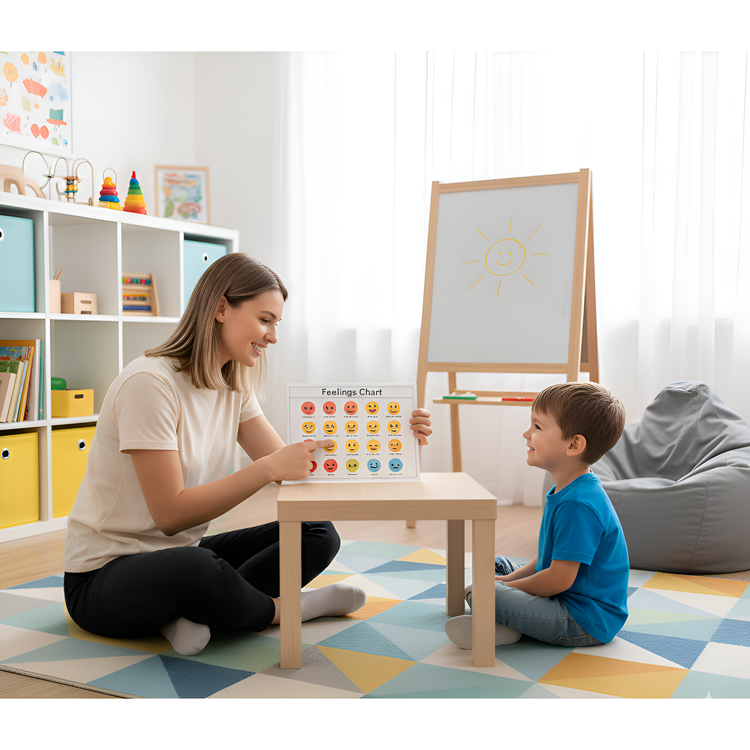
Behavioral Therapy
Evidence-Based Behaviour Therapy for Children
Jewel Autism Centre India provides evidence-based Behaviour Therapy in India for children with Autism Spectrum Disorder (ASD), ADHD, developmental delay, and social communication challenges. Our programs are grounded in the science of learning and behavior, focusing on how behaviors develop and can be positively shaped through structured, goal-oriented intervention. By identifying skill gaps and behavior patterns, therapy strengthens adaptive behaviors while reducing those that interfere with learning, communication, and daily functioning.
Our approach is based on Applied Behaviour Analysis (ABA), an internationally recognized, evidence-based science supported by certification boards such as BCBA, QABA, and IBAO. ABA principles emphasize reinforcement, consistency, and data-driven strategies to create meaningful, measurable behavior change. Children develop skills in communication, attention, emotional regulation, adaptive behavior, and learning readiness.
Behaviour therapy at Jewel Autism Centre is delivered within a multidisciplinary child development framework, integrating speech therapy, occupational therapy, and parent training. Programs are structured, supervised, and continuously monitored to track progress. With centres in Kochi and Kottayam, our ABA-based therapy empowers children to build independence, improve self-regulation, and develop functional skills that support participation at home, school, and in the community.
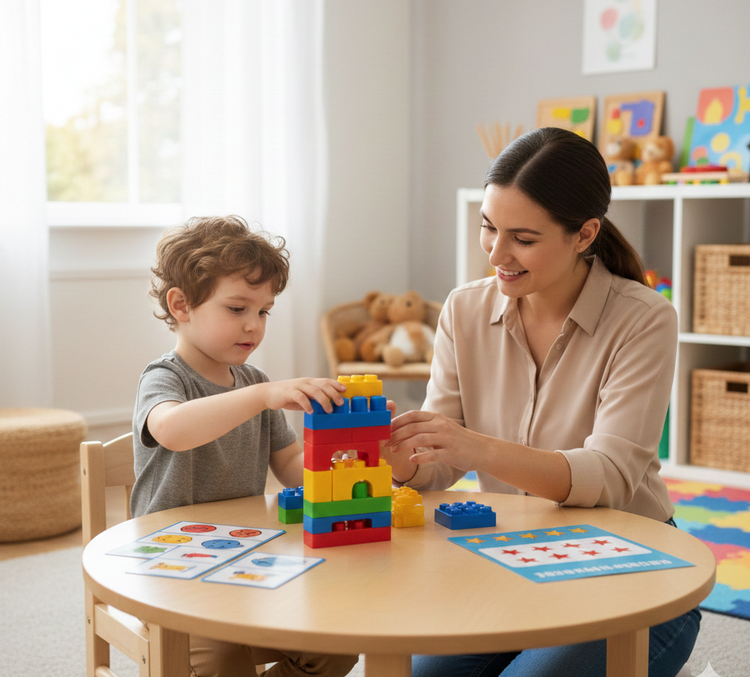
What is Behaviour Therapy?

Behaviour Therapy is a structured therapeutic approach that focuses on understanding and improving observable behaviors through positive reinforcement, skill building, and systematic intervention strategies.In pediatric autism therapy, behaviour therapy often includes Applied Behaviour Analysis (ABA), which helps children:
- Improve communication skills
- Develop social interaction
- Increase attention and learning readiness
- Reduce challenging behaviors
- Improve adaptive daily living skills
Behaviour therapy is one of the most widely used intervention approaches for children with autism. It is highly individualized, allowing therapists to design programs based on each child’s unique needs, strengths, and developmental goals. Through consistent monitoring and data-driven strategies, children learn to generalize skills across home, school, and community environments.
Behaviour Therapy for Autism in India
Children with autism often face difficulties in communication, social interaction, adaptive skills, and managing behaviors, which can affect their participation at home, school, and in the community. Behaviour Therapy is a structured therapeutic approach that focuses on understanding and improving observable behaviors through positive reinforcement, skill building, and systematic intervention strategies. At Jewel Autism Centre India, our behaviour therapy programs are designed to address these challenges through evidence-based, structured interventions. By focusing on functional skills, social development, and positive behavior support, our individualized programs help children build essential abilities, increase independence, and develop the confidence needed to navigate daily routines and learning environments successfully.At Jewel Autism Centre India, behaviour therapy programs focus on:
- Functional communication training
- Social skills development
- Reducing challenging behaviors
- Improving attention and compliance
- Increasing independence in daily activities
- Enhancing school readiness
Applied Behaviour Analysis (ABA) Therapy in India
Applied Behaviour Analysis (ABA) is a structured, evidence-based therapy that helps children with autism develop essential skills and improve socially meaningful behaviors through consistent reinforcement and systematic teaching. At Jewel Autism Centre, our ABA programs are designed to address each child’s unique needs, focusing on skill development, behavior management, and functional independence. By combining individualized goals, measurable outcomes, and parent involvement, ABA therapy ensures that children not only learn new skills but also generalize them effectively across home, school, and community settings.Our programs are designed to promote long-term functional independence rather than short-term behavior control.ABA therapy at Jewel Autism Centre focuses on:
- Breaking complex skills into manageable steps
- Reinforcing desired behaviors
- Tracking measurable progress
- Using structured learning environments
- Parent involvement for home generalization
Conditions Supported Through Behaviour Therapy
Autism Spectrum Disorder
Children may show challenges in social interaction, communication, and repetitive behaviors.
ADHD
Inattention, hyperactivity, and impulsive actions can make daily routines and learning difficult.

Developmental Delay
Milestones in motor skills, speech, cognition, or social development may be reached later than expected.
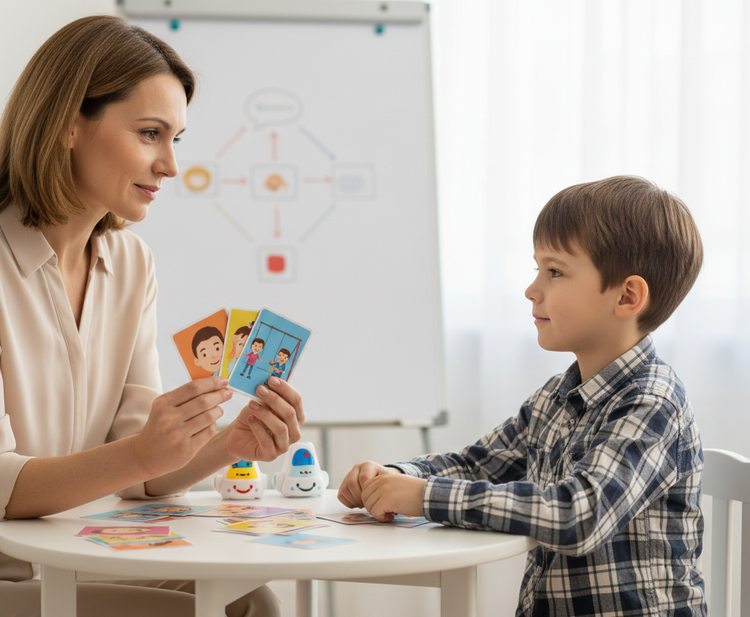
Social Communication Disorder
Understanding and using verbal or non-verbal cues in social situations can be challenging.

Behavioral Regulation Challenges
Managing emotions, reactions, and self-control may be difficult in everyday situations.

Learning Difficulties
Acquiring academic skills such as reading, writing, problem-solving, or memory may take extra support.
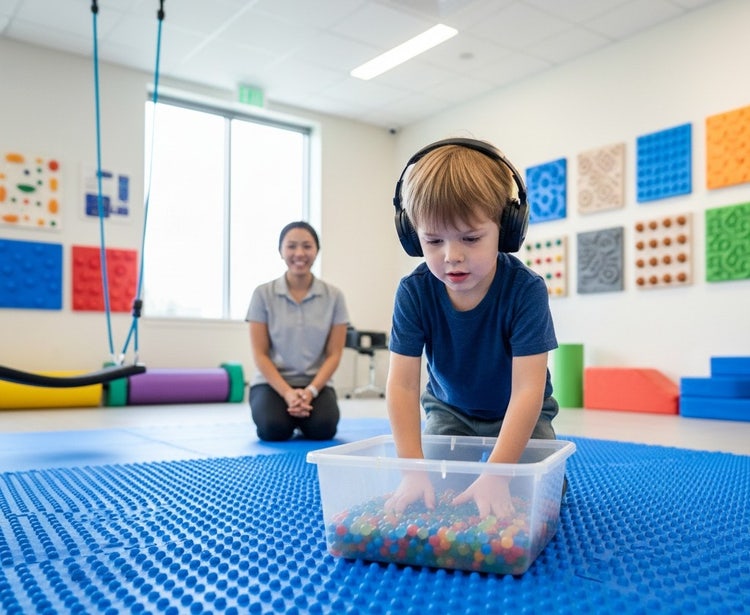
Sensory Processing Difficulties
Children may overreact or underreact to sights, sounds, touch, or movement, affecting daily functioning.

Adaptive Skill Challenges
Difficulties with self-care, daily routines, and independent living skills.
Signs Your Child May Benefit from Behaviour Therapy
Children with autism and related developmental challenges often face difficulties with communication, social interaction, emotional regulation, and adaptive behaviors. These challenges can affect daily routines, learning, relationships, and participation in home and school environments. At Jewel Autism Centre India, behaviour therapy is designed to address these areas by using structured, evidence-based strategies that promote skill development, reduce challenging behaviors, and support emotional regulation. Early intervention helps children improve attention, follow instructions more effectively, manage transitions, and develop the social and functional skills needed to navigate everyday life. By combining individualized therapy plans with parent guidance and multidisciplinary support, children gain confidence, independence, and the ability to engage meaningfully in their surroundings.Early structured intervention significantly improves long-term outcomes.Your child may benefit from behaviour therapy if they:
- Have frequent meltdowns or emotional outbursts
- Struggle with communication
- Show limited eye contact or social interaction
- Engage in repetitive behaviors
- Have difficulty following instructions
- Display attention difficulties
- Struggle with transitions
Our Structured Behaviour Therapy Approach
At Jewel Autism Centre India, our behaviour therapy model is designed to provide structured, evidence-based support tailored to each child’s unique needs. By conducting comprehensive behavioral assessments and setting individualized goals, we create therapy programs that target communication, social, emotional, and adaptive skills. Using positive reinforcement, skill-building strategies, and systematic interventions, children are guided to achieve meaningful progress in a supportive environment. Parents are actively involved to reinforce learning at home, while ongoing data monitoring ensures measurable outcomes and long-term functional improvements.Therapy programs are personalized to each child’s developmental profile and family goals.At Jewel Autism Centre India, our behaviour therapy model includes:
- Comprehensive behavioral assessment
- Individualized goal setting
- Structured intervention plans
- Positive reinforcement strategies
- Skill-building programs
- Parent training and involvement
- Regular data monitoring and progress review
Why Parents Choose Jewel Autism Centre for Behaviour Therapy
Parents choose Jewel Autism Centre India for behaviour therapy because we provide structured, evidence-based programs within a multidisciplinary child development framework. Our approach focuses on developing functional independence, promoting adaptive skills, and supporting meaningful participation at home, school, and in the community. By combining individualized therapy plans, measurable outcomes, and active parent involvement, we ensure that each child receives consistent, goal-oriented care. Our integrated autism therapy services, available at our Kochi and Kottayam centres, create a collaborative environment where children can make real, long-term progress.We emphasize structured, consistent, child-centered therapy programs.
- Multidisciplinary child development model
- Structured, measurable intervention plans
- Focus on functional independence
- Parent involvement and training
- Branches in Kochi and Kottayam
- Integrated autism therapy services
Behaviour Therapy Locations in India
Jewel Autism Centre India offers specialised behaviour therapy services for children with autism and developmental challenges. Our centres provide accessible, evidence-based ABA and behaviour therapy programs to support skill development, independence, and functional outcomes.
- Behaviour Therapy in Kochi
- Behaviour Therapy in Kottayam
- ABA Therapy Kerala
- Autism Behaviour Therapy India
- Child Development Centre Kerala
Benefits of Early Behaviour Therapy
Early behaviour therapy provides children with the opportunity to develop essential skills during critical periods of growth. By addressing communication, social interaction, attention, and adaptive behaviors at a young age, therapy helps reduce challenging behaviors, build independence, and promote learning readiness. Early intervention also supports emotional regulation, enhances participation in daily routines, and strengthens problem-solving and coping skills. With individualized, goal-oriented programs and consistent reinforcement, children are better able to generalize skills across home, school, and social settings. Engaging parents in the therapy process ensures that progress is maintained beyond the sessions, maximizing long-term developmental outcomes and helping children reach their full potential.Early behaviour therapy helps children:
- Improve communication
- Enhance social skills
- Reduce challenging behaviors
- Improve attention and learning readiness
- Develop adaptive skills
- Increase independence
Our Behavioral Therapists

Recognized By Major Gulf & Indian News Platforms







What Parents Say

Shiba Shiny Babu
Jewel autism centre is a highly professional center for autistic kids. The staffs of jewel are very friendly and responsible. They have change the life of many kids including my cousins child. I appreciate each and every staff for their kind cooperation and dedication.

Nisthul Bensi
Jewel Autism Centre is a well developed centre in Kottayam for all the developmental issues in children. They provide Speech Therapy, Occupational Therapy, Special Education and Behavioral Therapy with qualified professionals. I highly recommend this centre.

John Mathew
Jewel Autism Centre is the best child development center in India which provides various services such as Speech Therapy, Occupational Therapy, Special Education, Physiotherapy, Behavioural Therapy and Child Psychology under the same roof.

Aksha Varghese
Really good place for therapy. All sorts of therapy are available. Many changes were observed after coming to this institution. Really good service was available.

Abey Varghese
It is a team approach. Which benefitted the child a lot. Many changes were observed in the child. Activities were also provided for the child to do at home. Really good and thrust worthy institution.

Mini Thomas
Our journey with jewel so far has been very good.Our son has shown good changes with 3 months therapy and we are planning to stay on more .We really appreciate the hard work put by therapists in understanding the child's needs and implementing a goal oriented approach.We high recommend this institute to everyone.

Rihan Jojo
My name is Anu from Palakkad. I brought my 4½-year-old son to Jewel with no speech or eye contact. Within one month, I saw great improvement—he started speaking, sitting better, and even writing letters. I’m very thankful to the caring therapists at Jewel.

Noah Rudra Rahul
Jewel Autism Center has been a wonderful choice for us. We’ve seen great progress in our son. The therapists are professional, caring, and involve parents in goal setting. My son enjoys the sessions, has a strong bond with the therapists, and the center feels like a second home.

Chimi pema Dakpa
Jewel Autism and Child Development Center is an excellent place with highly trained and dedicated therapists. The transparency of allowing parents to observe sessions is truly valuable. My son has shown remarkable progress in a short time, and I’ve also learned a lot as a mother. I’m very grateful to the entire Jewel team for their care and support.

Parvana
I’m grateful to the entire Jewel Autism Development Centre team for their dedication. When we joined, my daughter had poor eye contact, no response to her name, and attention difficulties. After a year of therapy, she has made remarkable progress. Special thanks to all the therapists and staff for their support.

Lionel
Jewel Autism and Development Center has been a great support for our child. In just five months, we’ve seen remarkable progress in communication, participation, and learning. We sincerely thank the management, therapists, and staff and highly recommend Jewel to other families.

Shiva Nadhu
We have been attending this therapy centre for the past six months and are very satisfied. The OT, SE, and Speech sections are excellent, with clear monthly goals and progress reviews. The therapists are professional, caring, and give personal attention, while the social work team is very supportive. We are seeing steady improvement and appreciate the team’s dedicated efforts.

Jake Nikhil
Jewel in Kottayam is a world-class facility with over two decades of experience in childhood development. Skilled therapists, efficient staff, and excellent management make it highly recommended for children needing developmental support. Families from across the world trust their international-standard care!

Anu Peter
"I've been taking my child to Jewel Child Development Center in Kakkanad for therapy, and the experience has been truly heartening. Finding the right support for your child can be overwhelming, but the team here makes the journey so much easier. The therapists are not only highly skilled but also genuinely bond with the kids, making the sessions feel more like guided play than clinical work. I've seen a visible shift in my child's confidence and skills since we started. They are also very transparent with progress reports, which helps us stay on track as parents. For anyone in the Kochi area looking for a supportive and professional environment for their child's growth, Jewel is definitely a place you can trust."