Introduction
Autism spectrum disorder (ASD) is a neurodevelopmental condition that affects how a child communicates, interacts socially, processes sensory information, and performs everyday activities. Across the world, parents are increasingly recognizing the importance of early intervention therapies to support children with autism. One of the most important therapies recommended by pediatric specialists is occupational therapy.
In India, awareness about autism and developmental therapy has grown significantly in the last decade. Parents today actively search for services such as occupational therapy, speech therapy, sensory integration therapy, and early intervention programs to help their children develop essential life skills.
Occupational therapy focuses on helping children develop the physical, cognitive, sensory, and emotional skills needed to participate in daily life activities such as playing, learning, writing, dressing, eating, and interacting with others.
This comprehensive guide explains everything parents need to know about occupational therapy for autism in India, including signs that a child may need therapy, the benefits of early intervention, how therapy works, and what parents can expect during therapy programs.
Understanding Autism Spectrum Disorder
Autism spectrum disorder is a developmental condition that affects the brain’s ability to process social communication, sensory input, and behavioral responses. The term “spectrum” means that autism presents differently in every child. Some children may have mild challenges in communication and social interaction, while others may require significant support in daily functioning.
Children with autism may experience difficulties such as:
•delayed speech or language development
•limited eye contact
•repetitive behaviors
•sensory sensitivities
•difficulty interacting with peers
•challenges with motor coordination
•problems with attention and emotional regulation
Autism does not have a single known cause. Research suggests that a combination of genetic and environmental factors may influence brain development.
Although autism is a lifelong condition, early therapy can significantly improve a child’s ability to function independently and participate actively in family and school life.
What Is Occupational Therapy?
Occupational therapy (OT) is a healthcare profession that focuses on helping individuals develop the skills necessary for everyday activities.
For children with autism, occupational therapy addresses areas such as:
•sensory processing
•motor development
•coordination
•emotional regulation
•attention skills
•daily living skills
•social participation
The primary goal of occupational therapy is to help children become as independent as possible in daily life activities.
Therapists use structured play, sensory activities, motor exercises, and behavioral strategies to support the child’s development.
Why Occupational Therapy Is Important for Children with Autism
Children with autism often experience challenges in areas that occupational therapy directly addresses.
These may include:
Sensory Processing Difficulties
Many autistic children are sensitive to sounds, lights, textures, or movement. Others may seek intense sensory input.
Occupational therapy helps children regulate sensory responses and feel more comfortable in everyday environments.
Motor Skill Development
Autistic children may have delays in both fine motor and gross motor skills.
Fine motor skills involve small hand movements needed for activities like writing, buttoning clothes, or using utensils.
Gross motor skills involve larger body movements such as running, jumping, or balancing.
Occupational therapy improves strength, coordination, and body awareness
Daily Living Skills
Children with autism may struggle with tasks such as:
•brushing teeth
•dressing independently
•eating with utensils
•organizing school materials
Occupational therapy teaches these essential life skills step by step.
Emotional Regulation
Many autistic children have difficulty managing emotions and coping with changes in routine.
Therapists teach strategies to help children manage frustration, anxiety, and sensory overload.
Signs Your Child May Need Occupational Therapy
Parents should consider an occupational therapy evaluation if they notice signs such as:
•delayed motor milestones
•difficulty holding a pencil
•poor handwriting
•frequent falls or clumsiness
•difficulty using scissors
•strong reactions to sound or touch
•avoidance of certain textures or foods
•difficulty focusing on tasks
•trouble sitting still
•challenges with dressing or self-care
Early assessment can help identify developmental challenges and begin appropriate therapy programs.
Sensory Integration Therapy
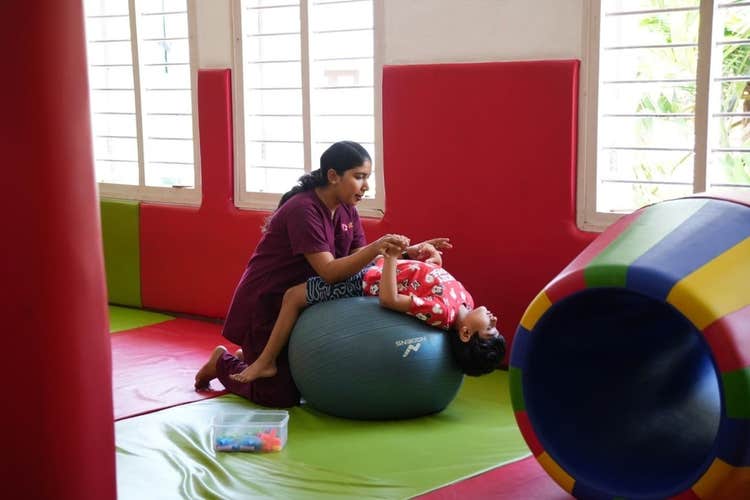
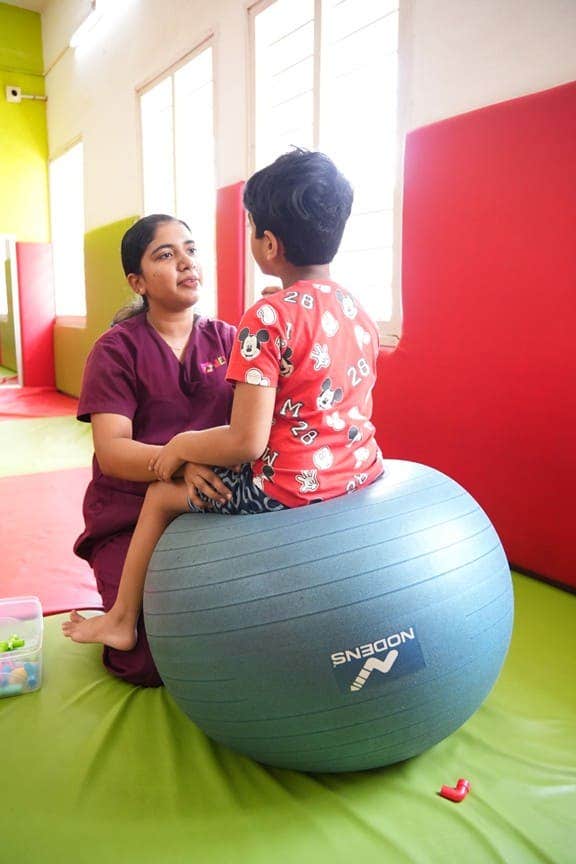
Sensory integration therapy is a specialized occupational therapy approach used for children with sensory processing difficulties.
The brain constantly receives information from the senses, including:
• sight
• sound
• touch
• movement
• body awareness
Some children with autism have difficulty organizing this sensory information.
This may result in behaviors such as:
• covering ears
• avoiding touch
• seeking spinning or jumping
• difficulty staying calm in noisy environments
Sensory integration therapy uses structured activities such as swinging, climbing, balancing, and tactile play to help the brain process sensory input more effectively.
Over time, children become better able to regulate their responses to sensory experiences.
Fine Motor Skill Development
Fine motor skills are essential for school readiness and independence.
Occupational therapy programs focus on improving:
• hand strength
• finger coordination
• pencil grip
• visual motor integration
• bilateral coordination
Activities used in therapy may include:
• bead threading
• puzzle solving
• drawing and coloring
• clay modeling
• cutting with scissors
• building blocks
These activities strengthen the muscles of the hands and improve coordination.
Gross Motor Development
Some autistic children experience difficulties with balance, posture, and body coordination.
Therapy activities designed to improve gross motor skills include:
• obstacle courses
• trampoline jumping
• ball games
• climbing activities
• balance exercises
These activities improve muscle tone, coordination, and physical confidence.
Emotional and Behavioral Regulation
Occupational therapists also support children in managing emotions and behaviors.
Strategies may include:
• sensory calming techniques
• structured routines
• visual schedules
• breathing exercises
• movement breaks
These strategies help children feel more regulated and focused throughout the day.
School Readiness Skills
Preparing children for school is another important goal of occupational therapy.
Therapists work on skills such as:
• sitting at a desk
• following instructions
• completing tasks
• interacting with classmates
• managing classroom transitions
These skills help children adapt more easily to school environments.
Parent Training and Involvement
Successful therapy programs involve active participation from parents.
Therapists guide parents on how to support their child’s development at home.
Home programs may include:
• sensory activities
• motor skill exercises
• behavioral strategies
• daily routine structures
Consistency between therapy sessions and home routines leads to better outcomes.
Benefits of Early Intervention
The brain develops rapidly during early childhood.
Research shows that early therapy can significantly improve developmental outcomes.
Children who receive therapy at an early age often show improvements in:
• communication skills
• motor coordination
• attention span
• emotional regulation
• social interaction
Early intervention can also reduce the severity of developmental challenges over time.
Occupational Therapy Techniques Used in Autism
Therapists use a wide variety of techniques depending on the child’s needs.
Common therapy approaches include:
•sensory integration therapy
•play-based therapy
•motor coordination training
•visual motor integration training
•executive function training
•social participation activities
Each therapy program is customized based on the child’s developmental profile.
Choosing the Right Therapy Centre
When selecting an occupational therapy centre, parents should consider factors such as:
•therapist qualifications
•experience with autism
•therapy facilities
•sensory integration equipment
•multidisciplinary services
•parent training programs
A comprehensive therapy centre typically offers multiple therapies including occupational therapy, speech therapy, behavioral therapy, and developmental assessments.
Occupational Therapy Success Stories
Many families report significant improvements in their children’s development after therapy.
Common improvements include:
•better communication
•improved motor skills
•increased independence
•improved attention and learning ability
•better emotional regulation
Every child progresses at their own pace, but consistent therapy and parental involvement can make a meaningful difference.
The Future of Autism Therapy in India
Awareness about autism and developmental therapy continues to grow across India.
Advances in research, therapy techniques, and early screening are helping more children receive support earlier in life.
Technology is also beginning to play a role in therapy through tools such as virtual reality therapy, assistive devices, and digital learning programs.
As awareness increases, more parents are seeking professional therapy services to support their children’s development.
Conclusion
Occupational therapy plays a crucial role in supporting children with autism. By addressing sensory processing, motor skills, emotional regulation, and daily living abilities, therapy helps children develop the skills needed to participate fully in everyday life.Early intervention, professional guidance, and active parent involvement can significantly improve a child’s developmental journey.Parents who notice developmental concerns should seek professional assessment and guidance as early as possible.With the right support, children with autism can build meaningful skills, achieve independence, and reach their full potential.